Greek mythology told from primary sources — not the popular retelling. Every claim traced to Homer, Hesiod, and the ancient tradition.
Watch on YouTube ↗Homer opens the Iliad with mênis — not ordinary anger. Achilles didn't withdraw because his feelings were hurt. He was orchestrating a precise, calculated revenge while protecting his shot at immortality.
Books 9–12 — the Cyclops, the Sirens, the land of the dead — are narrated by Odysseus himself, at a dinner party, to an audience whose ships he needs. Every other character in Greek literature calls him a liar.
There were 7,000 men at Thermopylae, not 300. The 700 Thespians fought to the last — nobody makes films about them. Leonidas knew he was going to die before he marched there. The oracle had told him.
Before the twelve labours, Hera drove Heracles temporarily insane and he murdered his own wife and children. The labours weren't heroic adventures — they were penance assigned by a petty, jealous king.
Medusa was a priestess of Athena. Poseidon assaulted her in Athena's own temple. Athena punished Medusa — not Poseidon. A woman wronged by a god, punished by a goddess, hunted by a hero. A tragedy wearing a hero's mask.
There are nine cities buried at Hisarlik. Schliemann dug straight through the one that matched Homer's timeline to reach treasure a thousand years older. The Iliad ends with Hector's funeral — not Troy's fall.
Not ordinary anger. A divinely-sanctioned, cosmically consequential wrath — the kind that reshapes the course of history and implicates the gods themselves.
Homer opens the entire Iliad with this single word. Not battle, not glory, not Troy. Mênis. Every death in the poem flows from that first line. No other mortal in Homer gets mênis — it belongs to gods and to Achilles alone, and that tells you everything about what Homer thought of him.
The popular reading is that Achilles sulks. The primary source reading is that he exercises the only power available to a man whose purpose has been publicly destroyed: strategic withdrawal, with divine endorsement behind it.
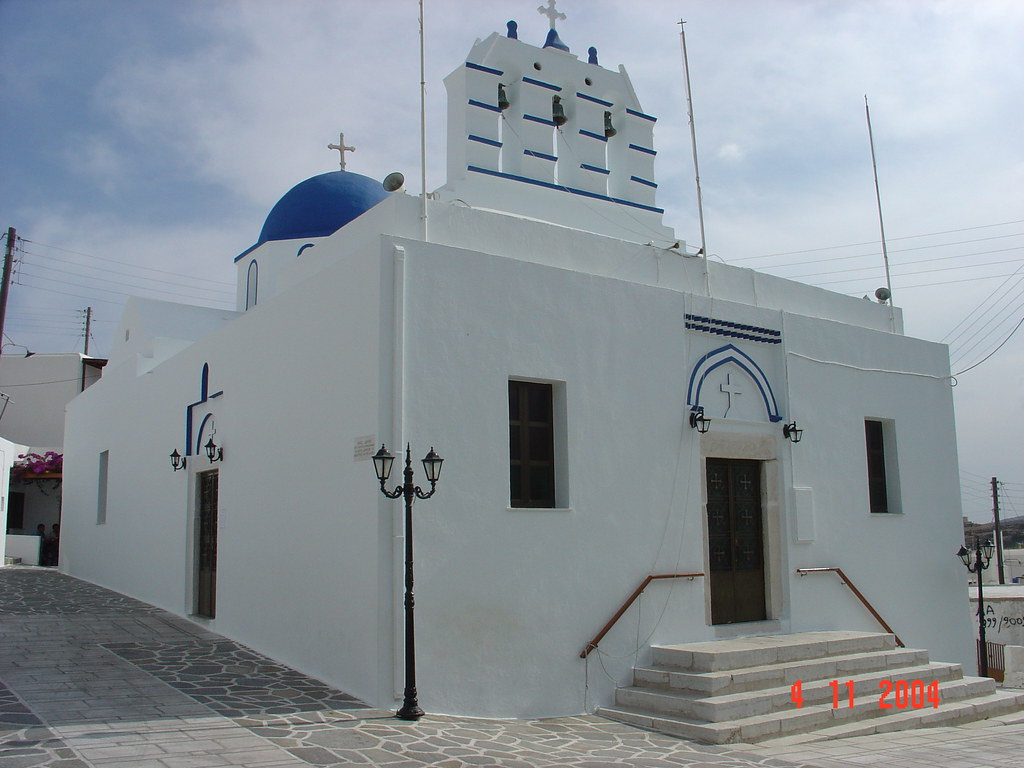
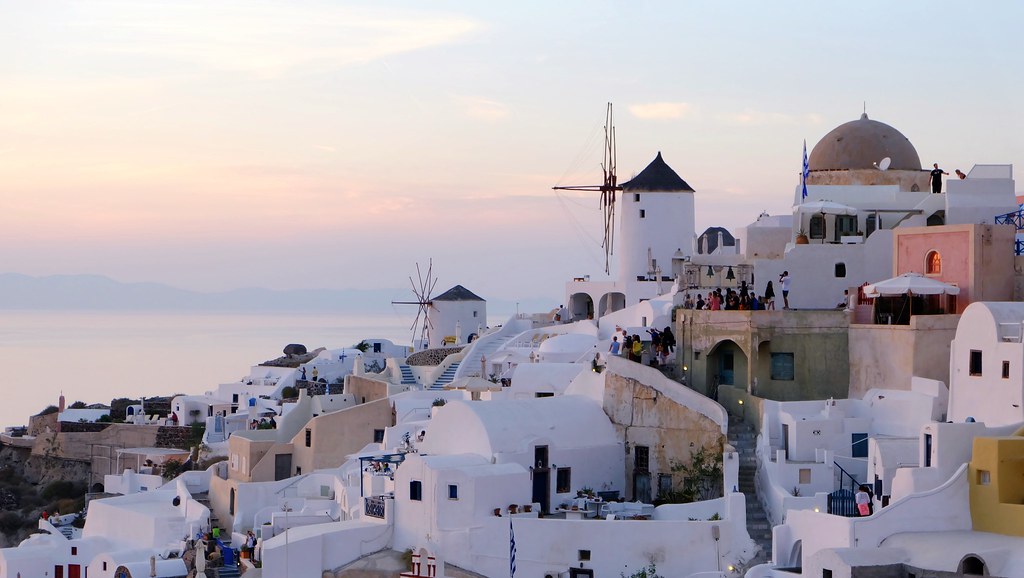
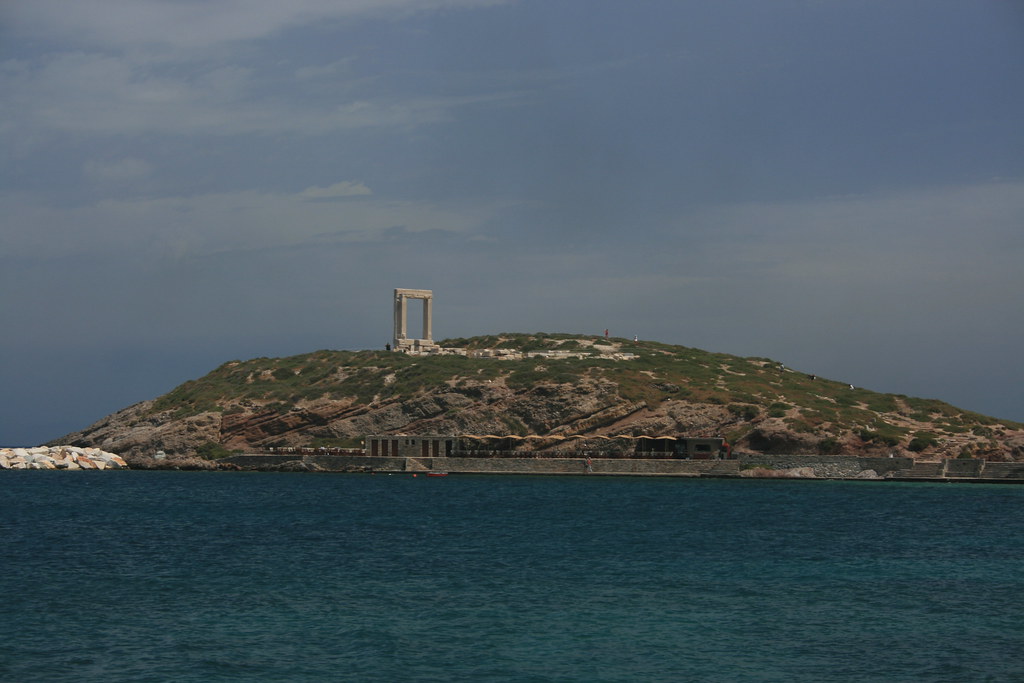
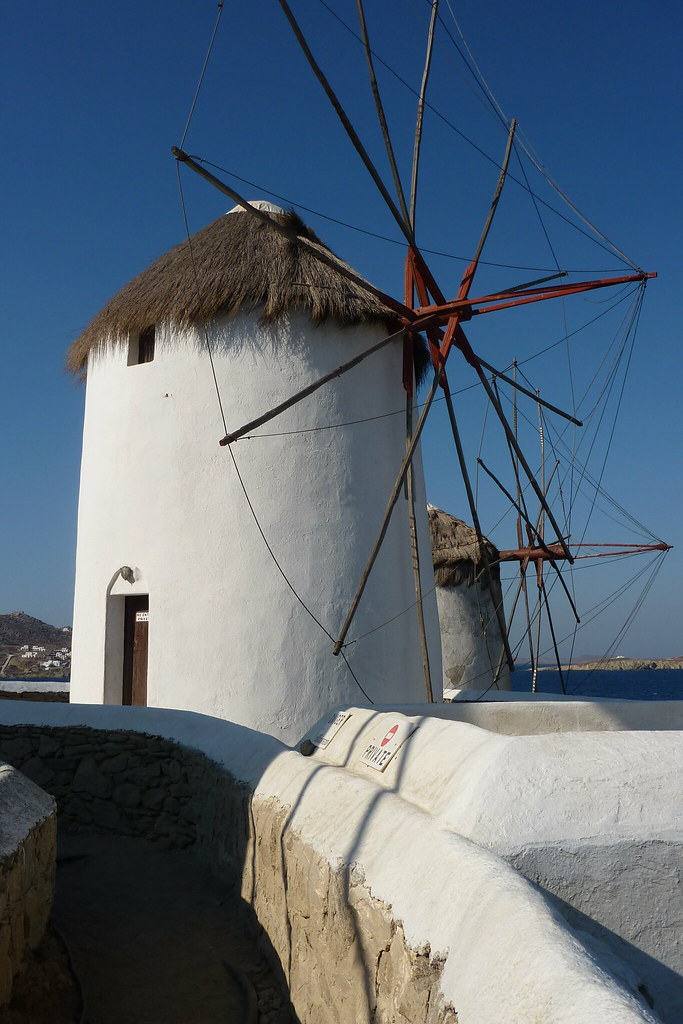
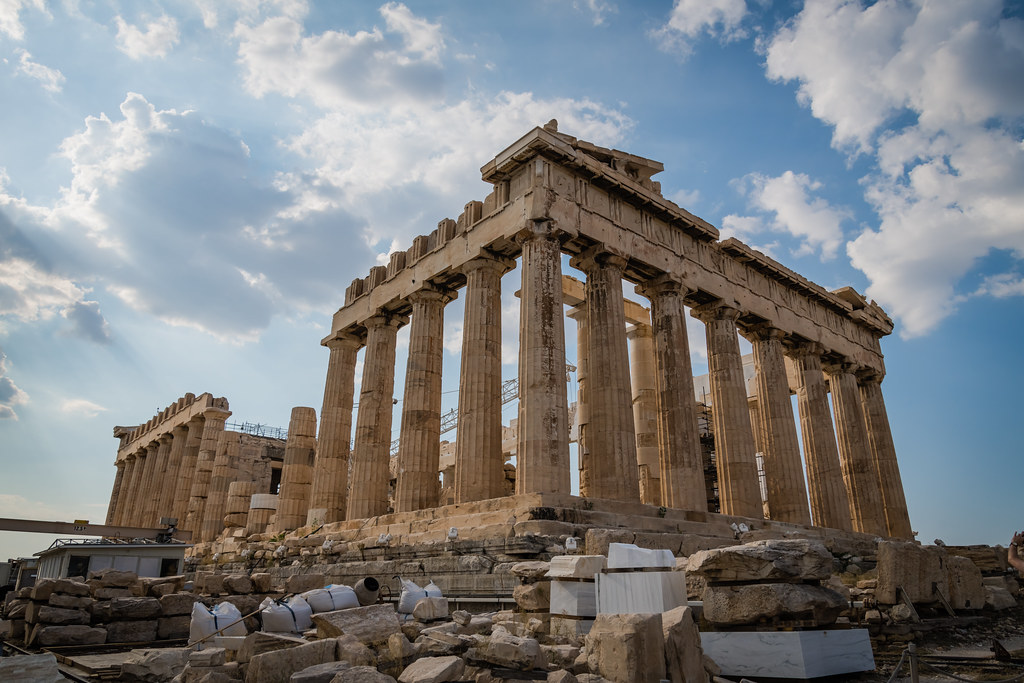
"These stories weren't mythology to my family. They were just history — the local kind. Theseus sailed through these islands. The marble that built the Parthenon came out of the ground here. That changes how you read the sources."
Stavros · Paros, Cyclades · First Generation| Author / Source | Work | Date | Used In |
|---|---|---|---|
| Homer | Iliad · Odyssey | c. 8th C. BCE | EP001, EP002, EP006 |
| Hesiod | Theogony · Works and Days | c. 700 BCE | EP005 |
| Pindar | Pythian Ode 12 | 498 BCE | EP005 |
| Herodotus | Histories, Book 7 | c. 430 BCE | EP003 |
| Apollodorus | Bibliotheca | c. 2nd C. BCE | EP004, EP005 |
| Euripides | Heracles | c. 416 BCE | EP004 |
| Parian Chronicle | Marble Stele — Paros Island | 264 BCE | Chronology |
| Hittite Tablets | Wilusa Treaty (Alaksandu) | c. 1280 BCE | EP006 |
Season 1 covers Achilles, Odysseus, Thermopylae, Heracles, Medusa, Troy and four more. Every claim traced to primary sources. New episodes weekly.
🌍 Subtítulos en español · Legendas em português